Home energy upgrade
Electrical
Panel upgrades, rewiring, EV chargers, and new circuits by licensed electricians — some upgrades qualify for rebates.
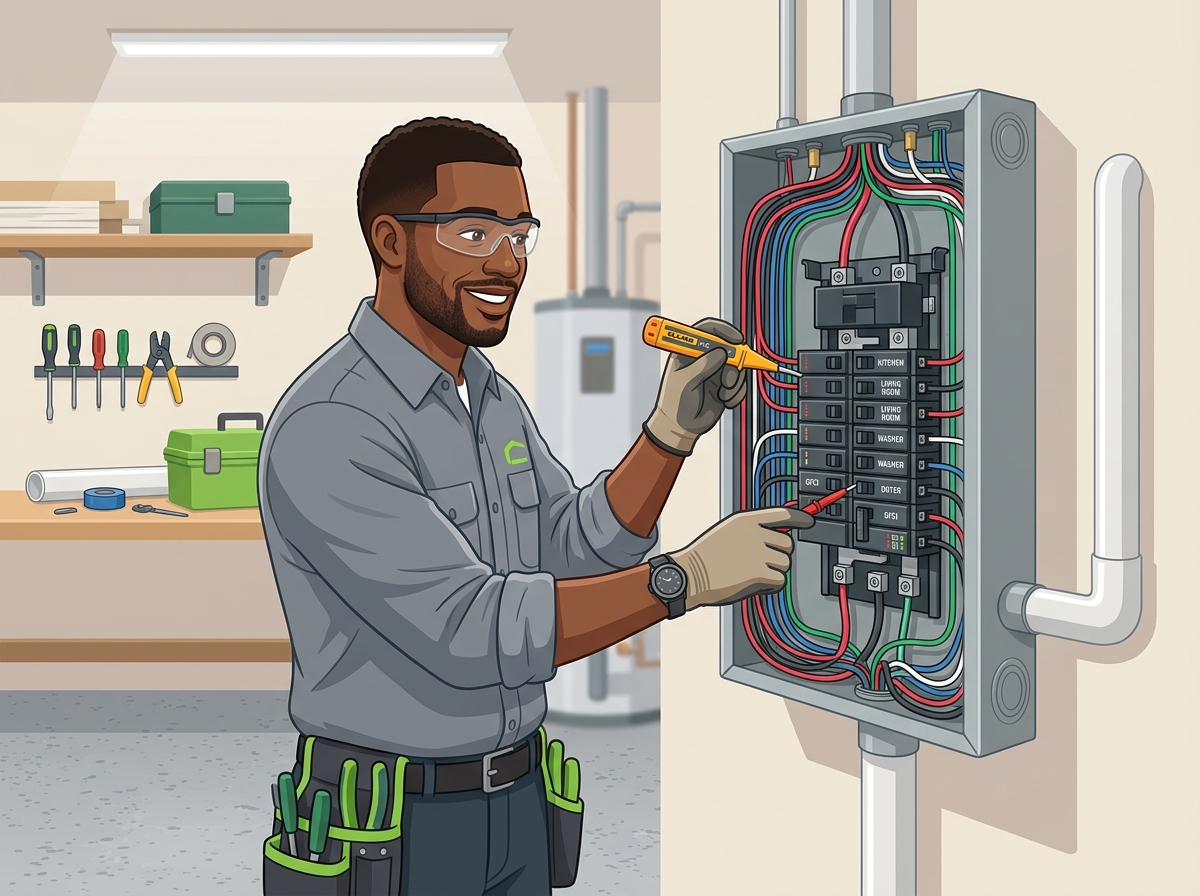
Step by step
How Electrical installation works
-
A licensed electrician assesses your panel and load needs.
-
You receive a written quote and scope of work.
-
The electrician pulls the required electrical permit.
-
Work is installed to code; the utility coordinates any service change.
-
A local electrical inspection signs off the work.
Why it's worth it
Benefits of Electrical
- Service-panel upgrades, rewiring, and new circuits
- EV charger and backup-generator installation
- Panel and wiring upgrades can qualify for IRA electrification rebates
- Code-compliant, permitted, and inspected work
- Licensed, insured electricians
What to budget
Typical cost
Costs vary significantly depending on property size, existing systems, and contractor. A surveyor's assessment will give you an accurate figure. Available tax credits and rebates (listed below) can substantially reduce the net cost.
Is this right for you?
Ideal for
- Homes with an undersized or aging electrical panel
- Adding an EV charger, hot tub, or major appliance
- Older homes that need a rewire
- Prepping for heat-pump or solar electrification
Financial support
Grants you may qualify for
High-Efficiency Electric Home Rebate (HEEHRA / HEAR)
HEAR RebateAn income-qualified, point-of-sale rebate program funded by the Inflation Reduction Act — up to $14,000 toward electrification, including $8,000 for a heat pump, plus credits for a heat-pump water heater, electric panel, wiring, and insulation.
State & Local Utility Rebates
Utility RebatesThousands of state, local, and utility-run rebate programs across the country reward efficiency, HVAC, weatherization, and solar upgrades — searchable by ZIP code through the DSIRE database.
Ready to go?
Find licensed Electrical contractors near you
Compare licensed specialists in your area, check their credentials, and book a free assessment worth $250.