Home energy upgrade
Heating & Cooling (HVAC)
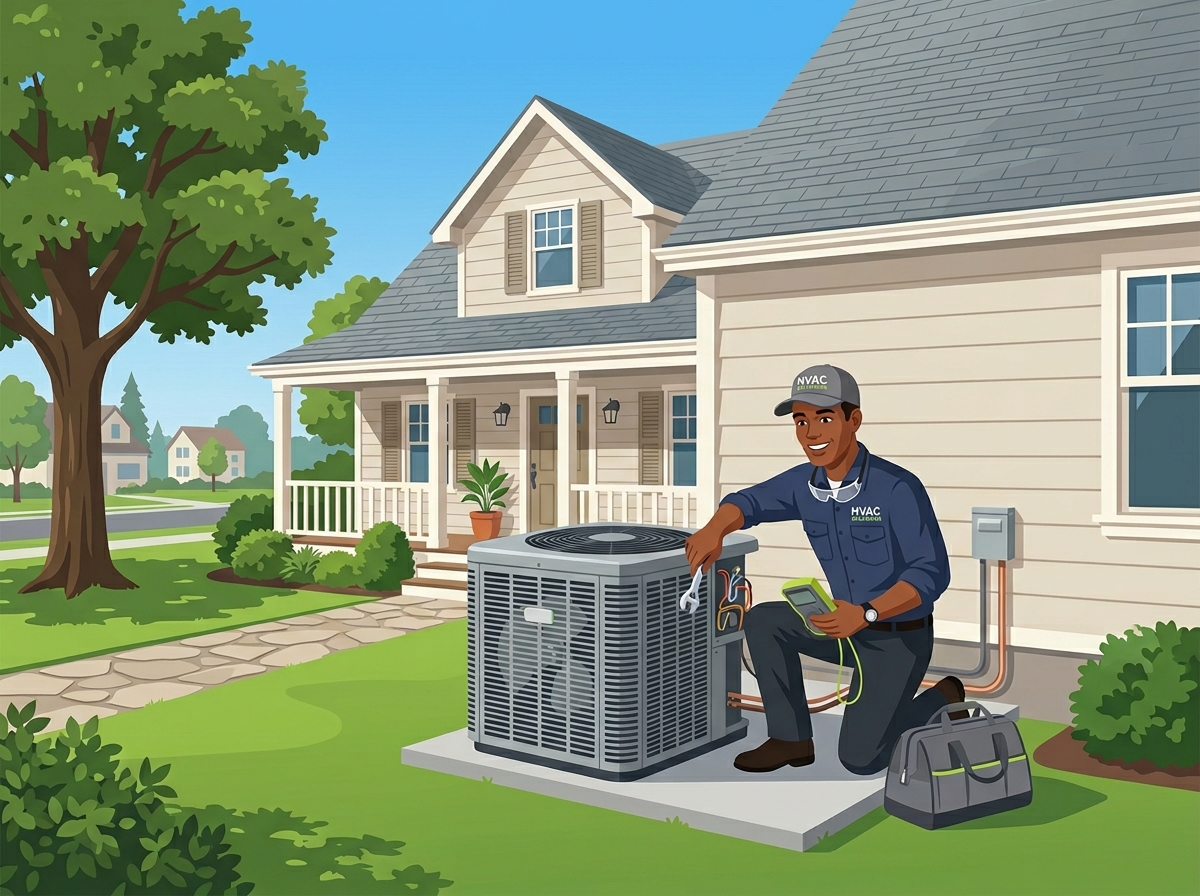
Furnaces, central AC, and heat pumps installed and serviced by licensed HVAC contractors — heat pumps earn federal tax credits.
Step by step
How Heating & Cooling (HVAC) installation works
-
A licensed HVAC contractor performs a Manual J load calculation.
-
You receive a written quote with efficiency options and incentives.
-
They pull the local permit and confirm any rebate paperwork.
-
The system is installed and commissioned, usually in one to two days.
-
It passes inspection; you claim the federal credit and utility rebates.
Why it's worth it
Benefits of Heating & Cooling (HVAC)
- Install and service furnaces, central AC, and heat pumps
- High-efficiency heat pumps earn up to $2,000 in federal tax credit
- Often pairs with utility and IRA electrification rebates
- Right-sized with a Manual J load calculation
- Lower bills and year-round comfort
What to budget
Typical cost
Costs vary significantly depending on property size, existing systems, and contractor. A surveyor's assessment will give you an accurate figure. Available tax credits and rebates (listed below) can substantially reduce the net cost.
Is this right for you?
Ideal for
- Homes with aging or failing heating/cooling equipment
- Owners wanting one system for heating and cooling (a heat pump)
- High summer cooling or winter heating bills
- Households eligible for IRA electrification rebates
Financial support
Grants you may qualify for
Energy Efficient Home Improvement Credit
25C CreditA federal income-tax credit worth 30% of the cost of qualifying efficiency upgrades — up to $2,000/year for heat pumps and $1,200/year for insulation, windows, doors, and home energy audits.
High-Efficiency Electric Home Rebate (HEEHRA / HEAR)
HEAR RebateAn income-qualified, point-of-sale rebate program funded by the Inflation Reduction Act — up to $14,000 toward electrification, including $8,000 for a heat pump, plus credits for a heat-pump water heater, electric panel, wiring, and insulation.
Home Efficiency Rebates (HOMES)
HOMES RebateAn Inflation Reduction Act rebate program that pays for whole-home energy upgrades based on the energy savings they deliver — up to $8,000, available to all income levels with larger rebates for lower-income households.
Ready to go?
Find licensed Heating & Cooling (HVAC) contractors near you
Compare licensed specialists in your area, check their credentials, and book a free assessment worth $250.