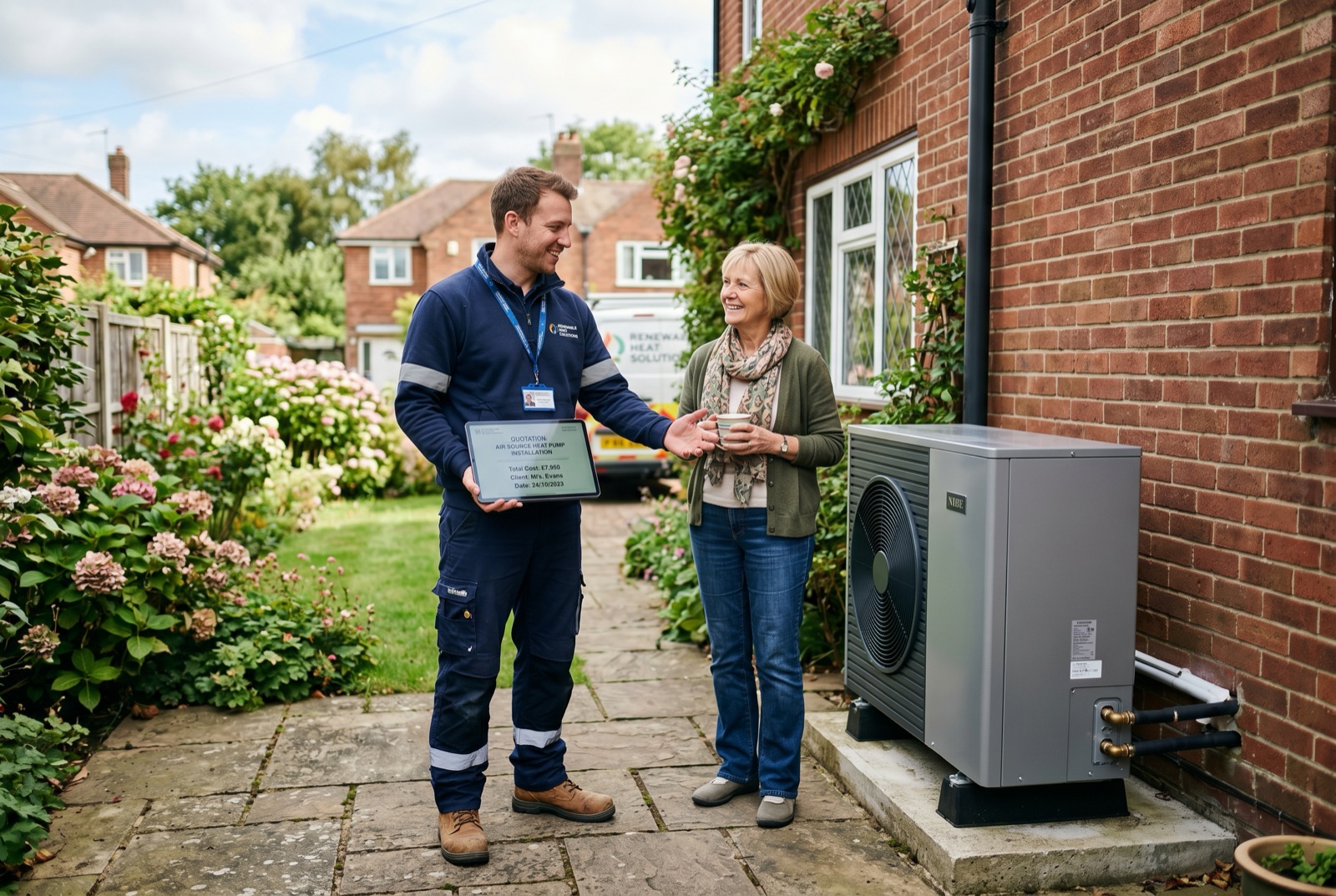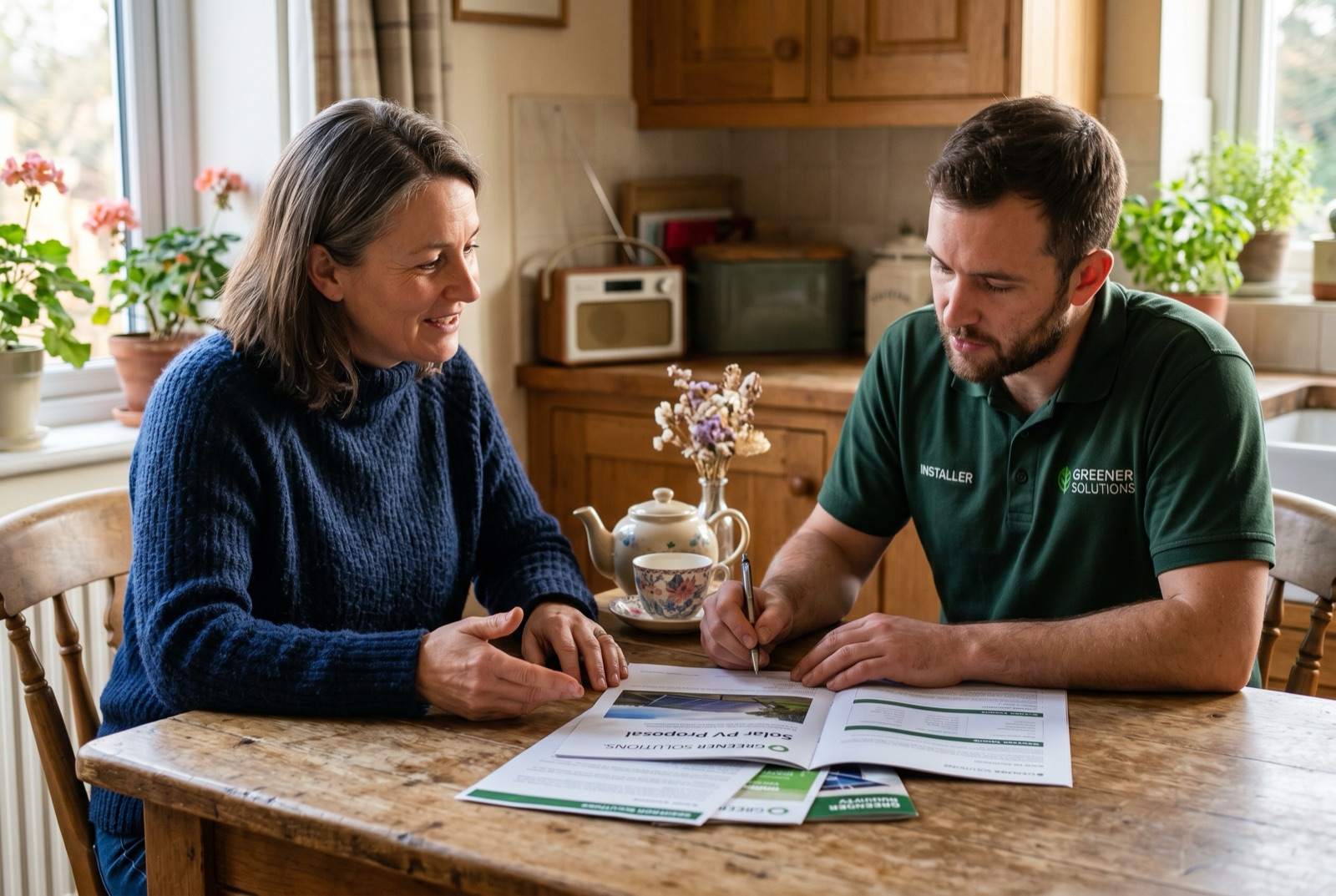
Hiring a contractor is one of the largest discretionary checks most households ever write, and unlike buying a car or a phone, you are paying for work that does not exist yet. That gap between paying and receiving is exactly where things go wrong, from honest disputes to outright fraud. The good news is that the United States gives you real tools to protect yourself: state licensing boards you can search in two minutes, insurance you can verify with a phone call, and contract rules that keep your money safe. This guide walks through the checks that separate a clean project from a nightmare, in the order you should actually do them.
Start with the state licensing board
Most states license contractors, and the license is your first and best filter. Licensing is handled at the state level, often by a 'Contractors State License Board' or a department of labor or commerce, so the exact agency name varies. What does not vary is your right to look up any contractor's license number, see whether it is active, and check for complaints or disciplinary actions. A handful of states do not license general contractors statewide and leave it to cities and counties, so if your state has no board, check with your local building department instead.
- Ask for the license number in writing, then look it up yourself on the state board's website rather than trusting a number printed on a flyer.
- Confirm the license is active and in good standing, not expired or suspended.
- Check that the license classification matches your job; a license for handyman work does not cover a structural addition or electrical service upgrade.
- Read any disciplinary history or complaint record attached to the license.
- Verify the name on the license matches the person and business you are actually contracting with.
Insurance and bonding: verify, do not assume
A license proves competence on paper; insurance and bonding protect your wallet when something goes wrong on site. There are two coverages you specifically want to confirm, and one bond, and the only reliable way to verify them is to get the certificate and call the issuer. A contractor who hesitates to provide proof is telling you something important.
- General liability insurance: covers damage the contractor causes to your property. Ask for a Certificate of Insurance (COI) and, for large jobs, ask to be named as an additional insured.
- Workers' compensation insurance: covers the crew if someone is injured on your property. Without it, an injured worker may be able to come after you, the homeowner. This is non-negotiable for any job with employees on site.
- A surety bond (where the state requires one): a financial guarantee you can claim against if the contractor fails to finish or violates the contract. The license lookup often shows whether the bond is active.
Mechanic's liens: the risk hiding behind your own payment
This is the protection homeowners least understand and most need. In nearly every state, subcontractors and material suppliers can place a 'mechanic's lien' on your home if the general contractor does not pay them, even if you already paid the contractor in full. That means you can pay twice, once to the contractor and again to clear a lien you knew nothing about. The defenses are straightforward once you know to use them: lien waivers and conditional payments.
- Request a signed lien waiver from the contractor for each payment, and unconditional waivers from major subcontractors and suppliers as they are paid.
- Pay by check or traceable transfer, never large amounts of cash, so you have a clear payment record.
- On bigger projects, consider joint checks made out to the contractor and a key supplier together, so you know the supplier was actually paid.
- Keep copies of every waiver, invoice, and proof of payment until the job is closed out and the lien window has passed.
Deposits, payment schedules and the contract
Money should follow progress, never lead it. Be cautious of any contractor who wants a large share of the total upfront before materials are even ordered. Many states cap how much a contractor can collect as a deposit; California, for example, limits it to the lesser of 10% of the contract or $1,000 for home improvement work. A fair structure ties payments to completed milestones, with a final payment held back until you have inspected the finished work and received the lien waivers.
The classic scam signals
Most contractor fraud follows a recognizable script, and learning the pattern is the cheapest insurance you will ever buy. None of these signs alone proves bad intent, but several together should stop you cold.
- The door-to-door pitch after a storm, with a 'today only' price and pressure to sign immediately.
- A demand for full payment or a very large deposit in cash, upfront.
- No written contract, a vague scope, or a refusal to provide a license number you can verify.
- An address that turns out to be a P.O. box, a phone that only goes to voicemail, and no verifiable local references.
- An offer to 'waive your insurance deductible' on a roofing or storm claim, which is insurance fraud and a sign you are dealing with a bad actor.
The two minutes you spend looking up a license number on the state board's website is the highest-return work you will do on the entire project.
The Renovation Register Team
Put the pieces together and the process is reassuringly mechanical: verify the license with the state board, confirm liability and workers' comp insurance with the issuer, protect yourself against liens with waivers, cap your deposit, and put everything in a written, milestone-based contract. Get those five things right and the vast majority of contractor disasters simply cannot happen to you. Skip them to save a phone call, and you are trusting a stranger with one of the biggest checks you will ever write.
Related on Renovation Register