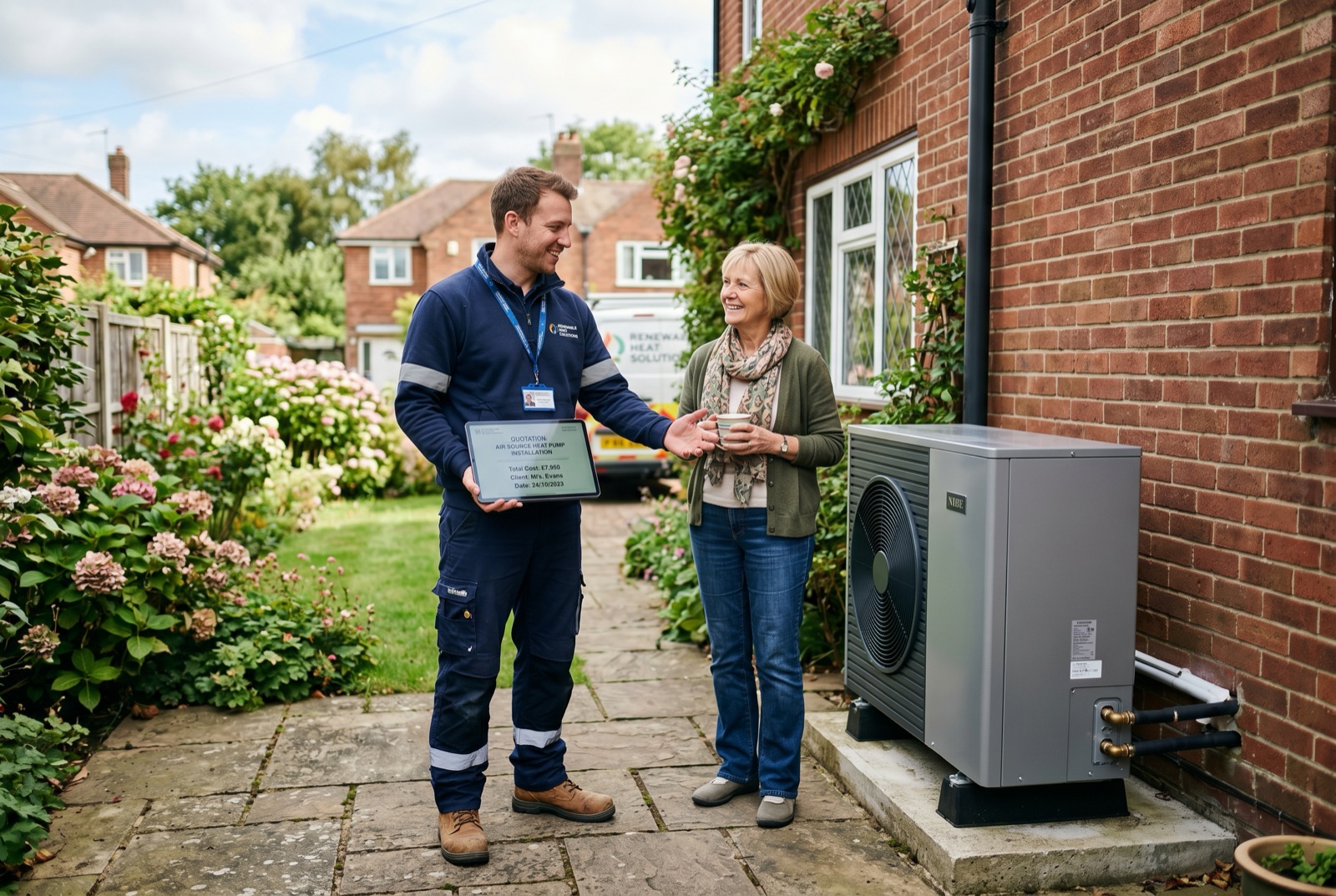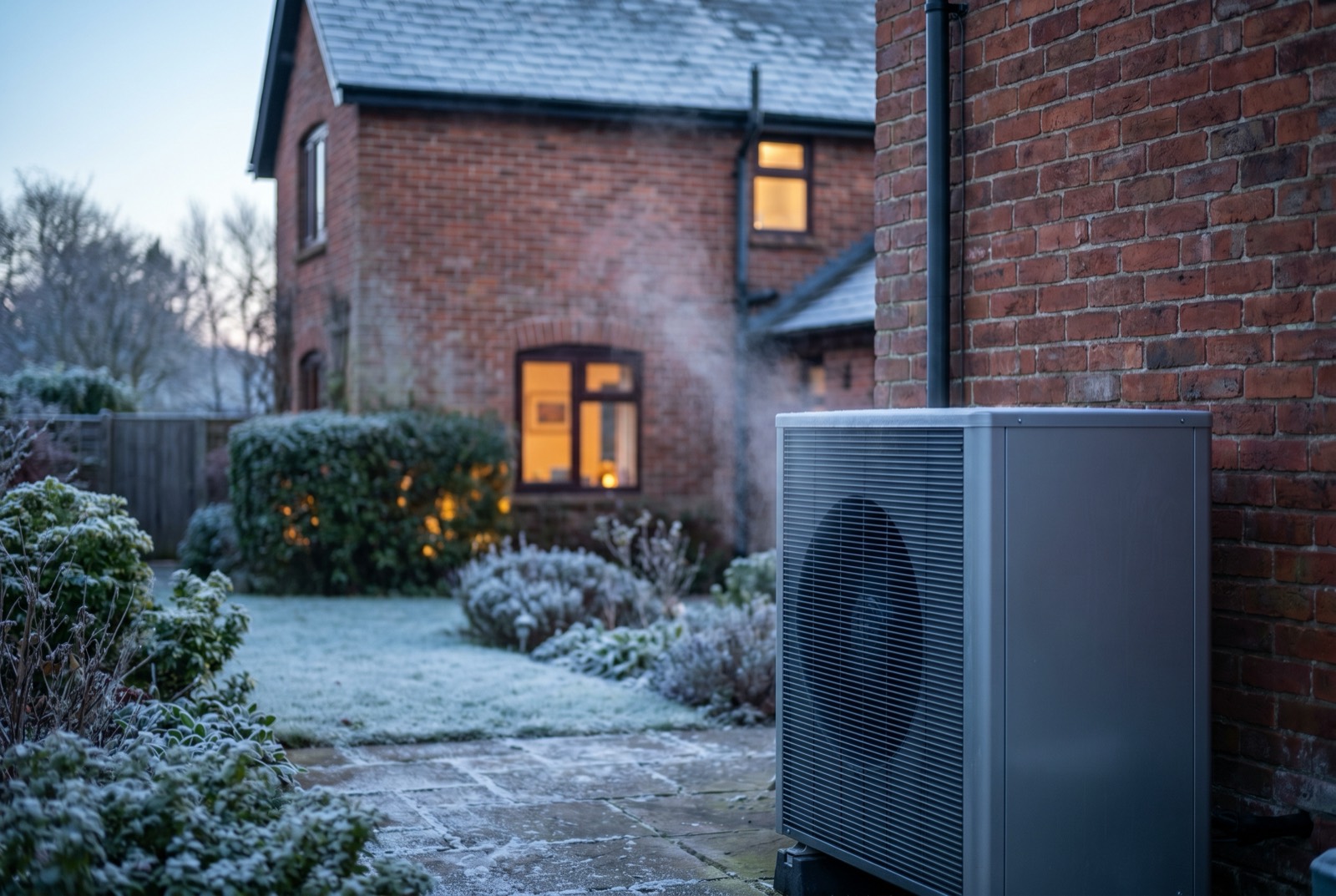
The old line that heat pumps quit working when it gets cold has not been true for years, but it has been hard to kill. It comes from real experience with older equipment that lost most of its output below freezing and limped along on resistance heat. Today's cold-climate heat pumps are a different machine. Maine, a state where winter is not a rumor, now leads the country in heat pumps per capita, and utilities from Minnesota to Vermont are paying people to install them. This guide gives you the honest version: how the technology actually performs in the cold, what changes from the Sun Belt to the Snow Belt, and how to spec a system that keeps your house warm at minus ten.
Why modern heat pumps handle the cold
A heat pump does not make heat; it moves heat. Even at 5 degrees Fahrenheit, the outdoor air still holds usable thermal energy, and the refrigerant cycle concentrates it and pumps it indoors. What changed is the hardware. Variable-speed inverter compressors, improved refrigerants, and smarter defrost cycles let modern cold-climate units keep a high share of their rated output well below freezing. The metric to watch is the HSPF2 rating for seasonal efficiency, and for cold regions, the manufacturer's published capacity at 5 degrees F, which tells you how much heat the unit still delivers when you need it most.
The state-by-state reality check
Climate is the variable that changes the math, so it makes sense to group states by how hard winter pushes the equipment. The technology can work everywhere; what changes is the sizing, the backup strategy, and the running cost.
- The South and Southeast (Florida, Georgia, Texas, the Carolinas): heat pumps are already the default here. Winters are mild, the equipment rarely strains, and a standard air-source unit easily covers heating and cooling. If anything, the cooling performance is the main event.
- The Mid-Atlantic and Pacific Northwest (Virginia, Maryland, Oregon, Washington): a strong fit. Design temperatures rarely dip into single digits for long, and a well-chosen unit handles the season without much backup heat.
- The Mountain West and Lower Midwest (Colorado, Missouri, Kansas): very workable with a cold-climate unit, especially given low electricity rates in some markets and the dry air that eases defrost demands.
- The Upper Midwest and Northern New England (Minnesota, Wisconsin, Maine, Vermont, North Dakota): this is the proving ground, and the data is encouraging. Cold-climate units carry the load through most of the winter, with backup heat reserved for the coldest snaps. Sizing and backup planning matter most here.
Backup heat: the part that gets skipped
Even the best cold-climate heat pump in the coldest states is usually paired with a backup heat source for the handful of days that fall below the unit's design point. There are two common approaches, and the right one depends on your home and your fuel costs. The goal is not to lean on backup constantly; it is to have a safety margin for the worst of the winter while the heat pump does the heavy lifting the rest of the season.
- Electric resistance backup: integrated heat strips that kick in automatically. Simple and cheap to install, but expensive to run, so you want them sized as a true backup rather than a crutch a poorly sized system relies on every cold night.
- Dual-fuel (hybrid): the heat pump pairs with an existing gas or propane furnace, and a control switches to the furnace below a set outdoor temperature. This is a popular path in cold states with cheap gas, because you get efficient electric heat most of the year and fossil backup only at the extremes.
Sizing and the cost of getting it wrong
The most common reason a heat pump disappoints in a cold climate is bad sizing, not bad technology. An oversized unit short-cycles and feels drafty; an undersized one leans on expensive backup heat all winter. A proper Manual J load calculation, based on your home's insulation, windows, and air leakage, is non-negotiable in the northern states. Be wary of any contractor who quotes a system off the square footage alone or by simply matching the size of your old furnace, which was probably oversized to begin with.
What it costs to run
Running cost is where geography bites hardest, because it depends on the local price of electricity versus the fuel you are replacing. In states with cheap electricity, a heat pump can beat propane and oil heating handily, even in a hard winter. In high-electricity-rate states in the Northeast, the comparison is closer, and the savings come mainly from displacing expensive heating oil. The honest answer is that you have to run the numbers for your own utility rates and your own climate, ideally with the unit's published efficiency at your design temperature rather than the headline seasonal rating.
Maine leads the nation in heat pumps per household. If they work through a Maine winter, the question is no longer whether they work in the cold, but whether yours is sized and backed up correctly.
The Renovation Register Team
The bottom line: a cold-climate heat pump from a reputable list, sized by a Manual J load calculation and paired with sensible backup heat, will keep an American home warm through real winters in every state. The work that determines success is unglamorous, getting the load right, sealing the envelope, and choosing backup that matches your fuel costs. Pair the install with the 25C federal tax credit and, if you qualify, a HEEHRA rebate, and a switch that once sounded risky in cold country becomes both comfortable and economical.